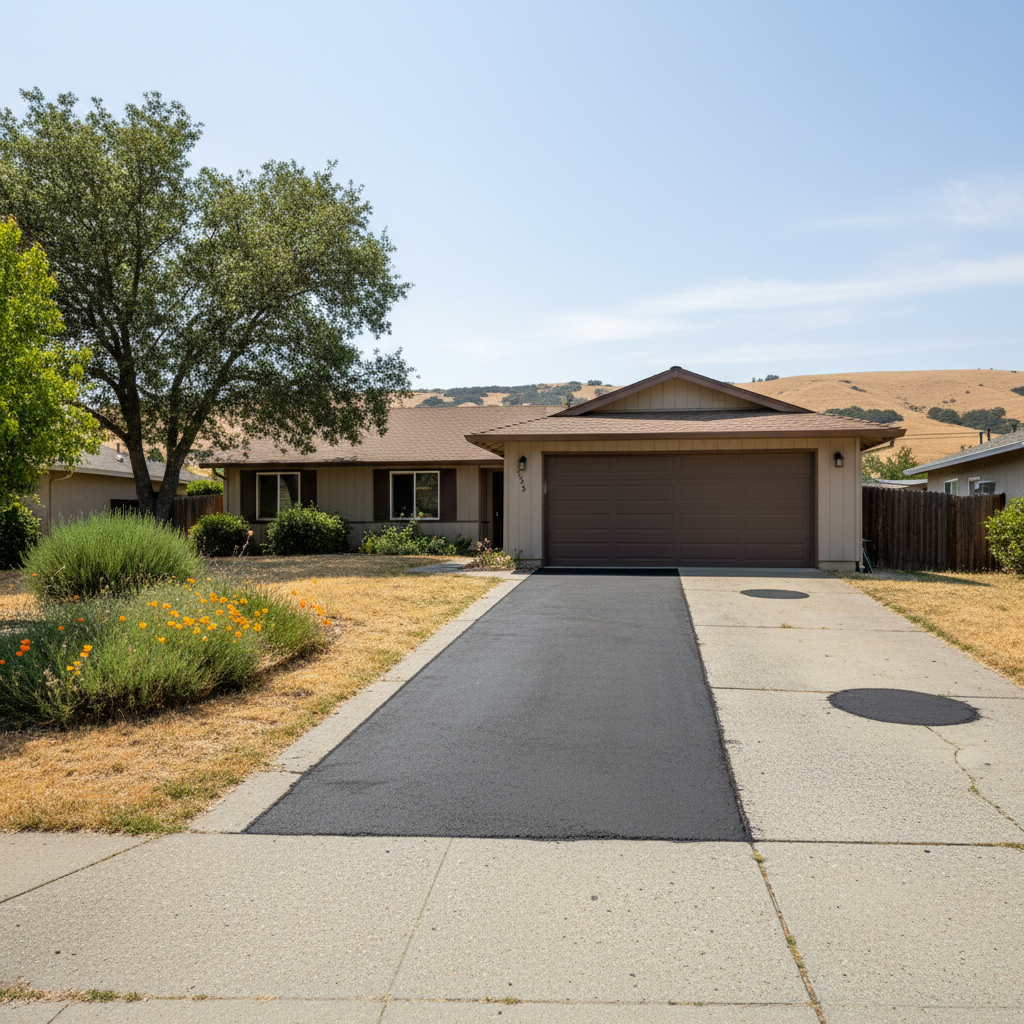
Got some potholes or cracks in your driveway or private road? Fixing them isn't just about making things look good; it's about protecting your investment. And, honestly, it stops bigger, more expensive problems from popping up later. As a local contractor, I've seen a ton of patching jobs. So, I wanted to put together a straightforward guide for folks in Yuba City who are thinking about getting some work done on their home.
How long does an asphalt patching project actually take?
People often ask me this. How long does a patching job take? The honest answer is, it really depends on how big and complicated the damaged area is. For most residential driveways – you know, a few potholes here, some alligator cracking there – it's usually a pretty quick turnaround once we get going.
- First Contact & Quote: This is where we start. You call us, we set up a time to visit. I'll come out, check out the damage, take some measurements, and then give you a detailed quote. Usually, this happens within a few days to a week after your call, depending on how busy we are.
- Getting on the Schedule: Once you give us the green light, we'll get you penciled in. Depending on the time of year and our current workload, that could be anywhere from a week to a few weeks out. We try to be as flexible as possible, but good work needs good planning.
- The Actual Work Day: Most residential patching jobs, especially the smaller ones, we can finish in a single day. If it's a bigger area or you have lots of patches, it might take us into a second day. But we're talking hours here, not weeks, for the physical work.
- Curing Time: This part is super important. After we put down fresh asphalt, it needs time to set up. You'll typically need to keep cars off the patched spot for at least 24 to 48 hours. Sometimes longer, especially if it was a really deep patch or if the weather's chilly. Don't worry, we'll give you clear instructions.
So, from your first phone call to finally driving on your newly fixed surface, you're usually looking at a couple of weeks. Give or take, of course, depending on how swamped we are and the size of your project.
What happens when our crew shows up?
When our team arrives, here's a general idea of what we'll be doing:
- Getting the Site Ready: We'll start by cleaning the area. That means sweeping away loose stuff, dirt, and any standing water. If weeds are poking through cracks, we'll pull those out too.
- Cutting & Taking Out Old Asphalt (if needed): For 'remove and replace' patching, we use special saws to cut out the damaged sections of asphalt. Then, we break up and haul away the old, bad asphalt. Heads up: this can be a bit loud and dusty for a little while.
- Fixing the Base: This step is critical. If the material underneath – the base – is messed up (which is often why you get potholes in the first place, especially with our clay soils around Yuba City), we'll deal with it. We might need to add and compact new gravel to make sure the new asphalt has a solid foundation.
- Putting Down Tack Coat: Before we lay any new asphalt, we spray a sticky 'tack coat' on the edges of the existing pavement and the prepped base. This helps the new asphalt really stick to the old stuff, stopping it from separating later.
- Laying New Asphalt: Then, we bring in the hot asphalt mix. Our crew will shovel and rake it into place, making sure it's the right thickness and level.
- Compacting It: This is where the real magic happens. We use heavy rollers or vibrating compactors to press the new asphalt down. This makes it super dense and durable. We'll make sure it's smooth and blends as well as possible with your current pavement.
- Cleaning Up: Once the patching is all done, we'll clean up our work area. We want to leave your property looking tidy.
How should you get ready for your patching project?
You don't need to do a whole lot, honestly. But a little bit of prep on your end helps everything run smoothly:
- Clear the Area: Make sure your driveway or the spot we're patching is clear of cars, trailers, toys, or anything else that might get in our way.
- Trim Branches: If you have low-hanging tree branches that could interfere with our equipment, give them a trim.
- Secure Pets: Keep your pets inside or in a safe spot away from where we're working.
- Tell Your Neighbors: If the work might affect a shared driveway or make some temporary noise, a quick heads-up to your neighbors is always a good idea.
- Plan for Parking: Remember, you won't be able to drive on the patched area for a day or two. Figure out where you'll park your vehicles during that time.
What questions should you ask before signing a contract?
Don't be shy about asking questions. You're hiring a pro, and you should feel good about your choice. Here are some things I think you should always ask:
- What exact patching method will you use (like remove and replace, or a skin patch)? And why is that the best way for my situation? Different kinds of damage need different solutions.
- What kind of asphalt mix do you plan to use? A good contractor will know their materials inside and out.
- What's included in the price? Make sure the quote covers everything, from prep to cleanup. Are there any hidden costs I should know about?
- How long will the new patch actually last? What kind of warranty or guarantee do you offer on your work? We stand by our work at Alpha Asphalt Solutions, and any good contractor should too.
- What's the recommended curing time, and when can I drive on it? Get this in writing.
- Are you licensed and insured? Always ask for proof. This protects you if something goes wrong.
- Can you give me references from other residential patching jobs you've done right here in Yuba City? Seeing their past work or hearing from other homeowners can really put your mind at ease.
- What's your payment schedule? Usually, you might need to pay a deposit, with the rest due when the job's finished.
Taking the time to plan and ask the right questions will really help your asphalt patching project go off without a hitch. A well-done patch not only looks better, but it actually makes your whole paved surface last longer. If you've got questions or need a quote, just give Alpha Asphalt Solutions a call. We're here to help.