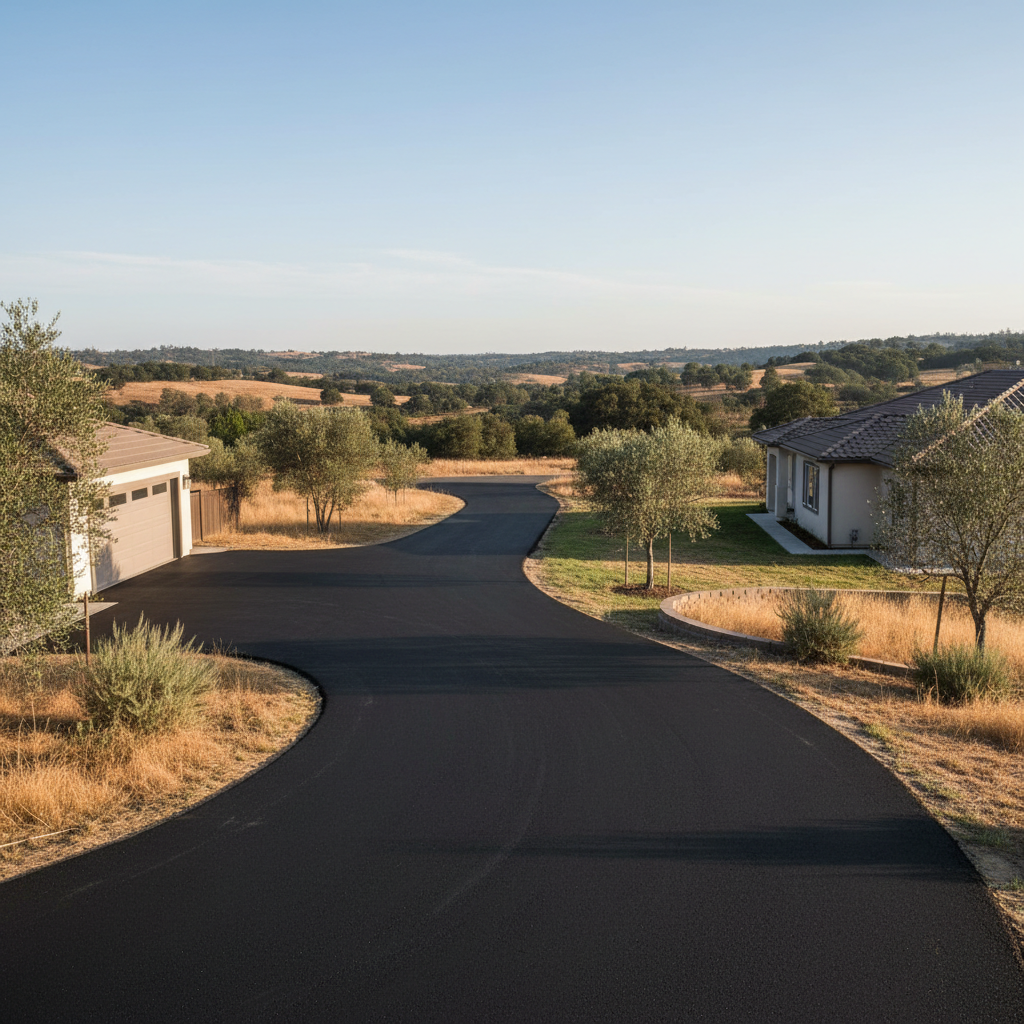
Let's talk about your asphalt. Whether it's your home driveway or a commercial parking lot right here in Yuba City, you've invested good money into that surface. You want it to last, naturally. But it won't just take care of itself. Especially with our scorching summers and those occasional heavy winter rains, asphalt needs a little TLC to stay in top shape.
Make Your Asphalt Last Longer: Simple Steps
The biggest thing you can do to extend your asphalt's life is to shield it from its two worst enemies: water and UV rays. Water seeping into cracks can freeze and expand – though that's less common here than in colder climates, it definitely still happens – or it can just erode the base layer. UV rays from our intense Yuba City sun dry out the asphalt, making it brittle and prone to cracking.
- Sealcoating: Think of this as sunscreen for your asphalt. A good sealcoat every 2-3 years, depending on how much traffic it sees and how much sun it gets, protects the surface from UV damage, keeps water out, and even fends off oil spills. Plus, it gives it that fresh, dark look again. It's a relatively inexpensive way to add years to your pavement.
- Proper Drainage: You need to make sure water isn't pooling on your asphalt. If you've got low spots where puddles form after a rain, that's a problem. Standing water softens the asphalt and can lead to deterioration. Sometimes, a simple fix like clearing a drain or adding a small patch can sort it out.
- Limit Heavy Loads: I know, sometimes you can't avoid it. But try not to park heavy RVs, commercial trucks, or dumpsters in the same spot for extended periods, especially on a hot day. That weight combined with heat can cause depressions and rutting.
- Clean Up Spills: Oil, gas, and other chemicals can break down the asphalt binder. So, clean up any spills quickly with an absorbent material.
Regular Maintenance: What You Should Be Doing
Think of it like changing the oil in your car. A little regular attention really goes a long way.
- Keep it Clean: Sweep off dirt, leaves, and debris regularly. This stops organic matter from breaking down on the surface and keeps water from getting trapped underneath.
- Edge Control: If you have grass or weeds growing along the edges of your asphalt, trim them back. Roots can actually undermine the pavement and cause cracks.
- Inspect Regularly: Take a walk around your property once a month or so. Look for anything new or different. Catching a small crack early can save you a huge headache later.
Warning Signs: Don't Ignore These
Your asphalt will tell you when it's hurting. You just need to know what to look for, right?
- Cracks: This is the most obvious one.
- Alligator Cracking: This looks like a series of interconnected cracks, much like an alligator's skin. It usually means the base layer is failing, and it's a serious sign.
- Linear Cracks: These are straight cracks, often running with the direction of traffic. They can come from stress or movement in the subgrade.
- Transverse Cracks: Cracks running across the pavement. These often happen because of temperature changes or pavement fatigue.
- Potholes: These usually pop up when cracks weren't sealed, letting water get in, freeze (or just soften the base), and then traffic breaks away the surface.
- Fading/Graying: If your asphalt looks dull and gray instead of rich black, it's a sign the binder is oxidizing from sun exposure. This means it's losing its flexibility and is more prone to cracking.
- Raveling: This is when the aggregate (the small stones) starts to come loose from the surface. It makes the asphalt look rough and pitted. It's a sign the binder is failing.
- Pooling Water: As I mentioned, if you see puddles that just won't drain away, you've got a problem with the grade or a depression forming.
When to Call a Professional (That's Us!)
Look, you can handle sweeping and cleaning. But some things are definitely best left to the pros. If you see any of those warning signs, especially alligator cracking or potholes, it's time to pick up the phone. Don't wait until a small crack turns into a huge, expensive repair. Catching it early saves you money in the long run.
We've been doing this for a long time here in Yuba City. We know how the local soil, like the clay-heavy stuff you find in some of the older neighborhoods around Plumas Lake, can affect pavement. We understand how our hot summers impact asphalt. When you call Alpha Asphalt Solutions, you're getting someone who truly knows the ins and outs of keeping your pavement in top shape. We can assess the damage, recommend the right fix – whether it's crack sealing, patching, or a new sealcoat – and get it done right. Don't let your investment go to waste.